Why Can I Orgasm Alone but Not With My Partner? 7 Possible Reasons
Being able to orgasm during masturbation but not during partnered sex can be confusing, especially when you feel attracted to your partner and enjoy being intimate together.
If this sounds familiar, you’re not alone. Differences between solo and partnered experiences are not unusual, and they do not automatically mean something is wrong with you or your relationship.
Quick Answer: Why Can I Orgasm Alone but Not With My Partner?
You may find it easier to orgasm alone because masturbation gives you more control over the type, pressure, rhythm, and duration of stimulation.
During partnered intimacy, differences in stimulation, performance pressure, stress, communication, and certain health factors can make reaching orgasm more difficult.
This does not necessarily indicate a medical problem or a lack of attraction to your partner. Understanding what feels different between solo and partnered experiences can help you explore possible solutions together.
This guide explains seven possible reasons, practical steps couples can take, and when professional support may be helpful.
Is It Normal to Orgasm Alone but Not With a Partner?
Yes. Some people find it easier to reach orgasm during masturbation than during partnered sexual activity.
Solo experiences allow you to control the pace, pressure, duration, and type of stimulation without needing to communicate those preferences to someone else.
During partnered intimacy, additional factors may come into play, including expectations, distractions, relationship dynamics, and differences in stimulation.
Researchers have also observed differences in orgasm timing between solo and partnered experiences.
For example, research summarized by the International Society for Sexual Medicine found that women in one study generally took longer to reach orgasm during partnered sex than during masturbation.
Having different experiences alone and with a partner does not automatically indicate a medical problem or an unhealthy relationship.
However, persistent difficulty that causes personal distress may deserve further attention.
7 Possible Reasons You Can Orgasm Alone but Not With Your Partner
1. The Type of Stimulation Is Different
One of the simplest explanations is that your body receives different stimulation during masturbation and partnered sex.
When you’re alone, you may instinctively use a particular amount of pressure, rhythm, or movement.
A partner may use different techniques without realizing that those differences matter.
For many people with vulvas, direct or indirect clitoral stimulation is important for reaching orgasm. Penetration alone may not provide the stimulation they prefer.
For people with penises, differences in pressure, movement, and sensation may also affect how easily orgasm occurs.
What may help: Identify which aspects of solo stimulation feel most comfortable and consider communicating those preferences to your partner.
2. Performance Pressure Makes Relaxation Difficult
Trying to reach orgasm can sometimes become a source of anxiety.
You might worry about taking too long, disappointing your partner, or whether your response is normal.
Those concerns can make it harder to remain focused on enjoyable sensations.
A partner may experience similar pressure, especially if they interpret the absence of an orgasm as a sign that they are doing something wrong.
What may help: Reduce the emphasis on orgasm as the required outcome of intimacy.
Focus instead on comfort, mutual enjoyment, and communication.
3. You Have More Control During Masturbation
Masturbation offers a level of control that may be difficult to reproduce during partnered intimacy.
You can adjust your movements immediately, pause whenever necessary, and follow your body’s responses without explaining each change.
With a partner, those adjustments require communication and cooperation.
This difference does not mean partnered experiences are inherently less satisfying.
It simply means that familiar sensations and control may influence your sexual response.
What may help: Give yourself permission to guide your partner and communicate adjustments without treating them as criticism.
4. Communication About Preferences Is Limited
Even in a supportive relationship, discussing sexual preferences can feel uncomfortable.
Some people hesitate to explain what they enjoy because they worry about embarrassing or disappointing their partner.
Others assume that their partner already understands their preferences.
However, sexual preferences vary considerably between individuals.
What may help: Discuss what feels comfortable, enjoyable, and less effective during a relaxed moment outside sexual activity.
A simple conversation may help both partners understand each other’s experiences more clearly.
5. Stress, Fatigue, or Emotional Distractions
Sexual response is influenced by more than physical stimulation.
Work stress, fatigue, anxiety, relationship concerns, and other emotional factors may interfere with arousal or orgasm.
These factors can affect solo and partnered experiences differently.
For example, you may find it easier to relax when alone because there are fewer expectations or distractions.
What may help: Consider whether stress, tiredness, or emotional concerns are influencing your experiences.
Allowing more time for relaxation and addressing underlying concerns may be useful.
6. Familiar Habits Influence Your Response
Over time, people may become familiar with particular forms of stimulation.
A consistent rhythm, position, or type of sensation may become especially effective during masturbation.
Partnered intimacy may not naturally reproduce those same conditions.
This does not mean masturbation is harmful or that you need to stop masturbating.
Instead, it may be helpful to recognize that your body responds well to familiar experiences.
What may help: Explore different approaches at a comfortable pace, without forcing yourself to change established preferences.
7. Medications or Health Factors May Play a Role
Sometimes, difficulties reaching orgasm involve medical or physical factors.
Potential contributors include certain medications, hormonal changes, chronic health conditions, pelvic floor problems, or psychological concerns.
Some antidepressants, particularly selective serotonin reuptake inhibitors (SSRIs), can affect orgasm and other aspects of sexual function.
If orgasm difficulties began after starting a medication, speak with your healthcare provider.
Do not stop or change prescribed medication without medical guidance.
A qualified professional can help determine whether treatment, medication adjustments, or further evaluation may be appropriate.
What Is Situational Anorgasmia?
The medical term anorgasmia describes difficulty reaching orgasm, including absent, delayed, infrequent, or reduced-intensity orgasms.
Situational anorgasmia refers to orgasm difficulties that occur in particular situations.
For example, someone might reach orgasm during masturbation but experience persistent difficulty during partnered sexual activity.
However, experiencing this difference does not automatically mean you have a diagnosable sexual dysfunction.
The frequency of the difficulty, its duration, and whether it causes distress are important considerations.
If the situation is persistent or troubling, a healthcare professional can help assess possible causes.
What Can Couples Do Together?
If you and your partner would like to explore possible improvements, the following approaches may help.
Looking for more ways to explore intimacy together? Visit our Couples category for practical relationship guides, sexual wellness advice, and product buying guides designed for couples.
Communicate Without Assigning Blame
Try discussing your experiences as a shared opportunity to understand each other.
Avoid assuming that either partner is responsible for the difficulty.
Explain what you enjoy, what feels comfortable, and whether particular circumstances affect your ability to relax.
Remove the Pressure to Reach Orgasm
Sexual satisfaction does not have to depend entirely on orgasm.
Focusing on pleasure, emotional connection, and mutual comfort may help reduce performance-related concerns.
It is also important to respect each partner’s boundaries and preferences.
Consider Differences in Stimulation
Think about whether the stimulation experienced during partnered intimacy differs from what works during masturbation.
Factors such as rhythm, pressure, duration, and the type of stimulation may influence sexual response.
Discussing these differences can help partners better understand individual preferences.
Consider Sexual Wellness Products as an Optional Tool
Some couples choose to incorporate sexual wellness products into their experiences.
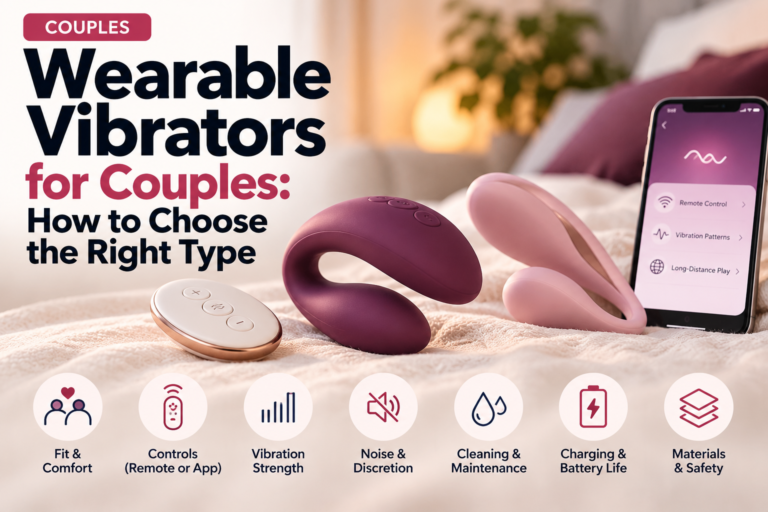
Depending on individual preferences, these may include external vibrators, couples’ vibrators, or other products designed for shared use. For more information about wearable options, read our Wearable Vibrators for Couples: How to Choose the Right Type guide.
Such products are optional, and they are not treatments for an underlying medical condition.
Choose products made with appropriate materials, follow manufacturers’ safety and cleaning instructions, and prioritize comfort and consent.
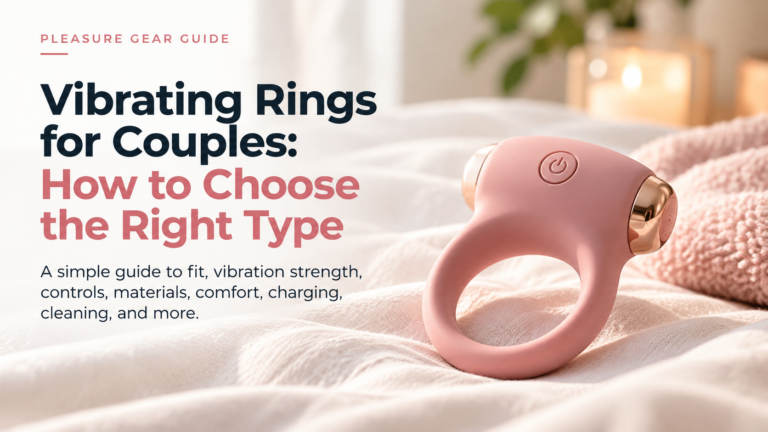
If you’re interested in exploring vibrating rings, our Vibrating Rings for Couples: How to Choose the Right Type guide explains the different designs, features, materials, and factors to consider before buying.
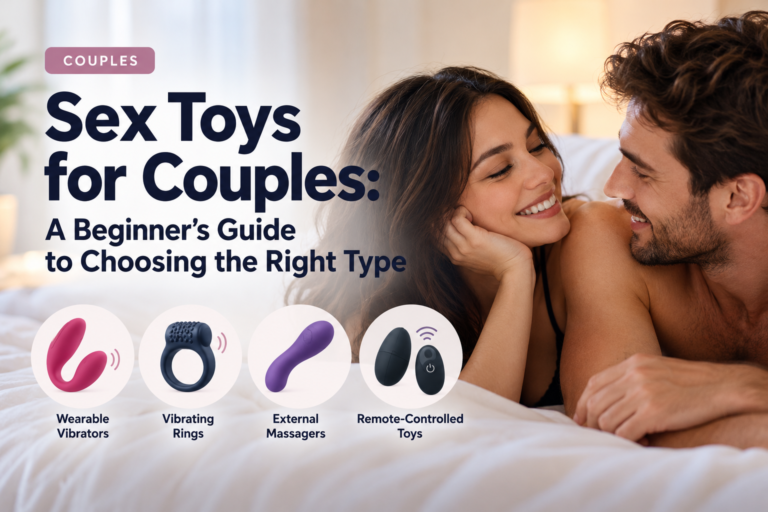
If you’re new to exploring sexual wellness products together, our Sex Toys for Couples: A Beginner’s Guide explains the main product types, key features, and what to consider before making your first purchase.
Can This Happen to Men and Women?
Yes. Differences between solo and partnered orgasms can affect people of different sexes and genders.
However, some contributing factors may differ.
For Women
Some women find that partnered activities do not provide the type or duration of clitoral stimulation they prefer.
Stress, hormonal changes, medications, and other health factors may also contribute.
For Men
Some men experience difficulty reaching orgasm or ejaculating during partnered sex despite having little difficulty during masturbation.
Potential contributing factors include differences in stimulation, performance anxiety, medications, and health conditions.
Orgasm and ejaculation are related but distinct processes, so difficulties with one do not always mean difficulties with the other.
A healthcare professional can help evaluate persistent concerns.
When Should You Talk to a Healthcare Professional?
Occasional difficulty reaching orgasm does not necessarily require treatment.
However, consider professional advice if the difficulty:
- Causes ongoing distress or negatively affects your relationships.
- Develops suddenly or represents a significant change.
- Occurs alongside pain, numbness, or other physical symptoms.
- Appears related to medication or another health condition.
- Continues despite attempts to address possible contributing factors.
A healthcare professional or qualified sex therapist can help explore physical, psychological, and relationship-related factors.
Frequently Asked Questions
Why Can I Orgasm During Masturbation but Not During Sex?
Solo and partnered experiences may differ in stimulation, control, relaxation, and expectations.
Your body may respond more easily to familiar stimulation, while partnered intimacy introduces additional variables.
Does This Mean I’m Not Attracted to My Partner?
Not necessarily.
Difficulty reaching orgasm does not, by itself, indicate a lack of attraction.
Sexual response involves several factors beyond attraction, including physical stimulation, stress, medications, and emotional circumstances.
Can Performance Anxiety Prevent Orgasm?
Yes. Anxiety and pressure surrounding sexual performance may interfere with arousal and orgasm.
Reducing expectations and improving communication may help.
Can Couples’ Vibrators Help?
Some people find additional stimulation from sexual wellness products enjoyable or useful.
However, results vary between individuals, and these products do not address every cause of orgasm difficulty.
They should be considered optional tools rather than guaranteed solutions.
Should I Stop Masturbating?
Not necessarily.
Masturbation is a normal form of sexual activity.
If you believe particular habits may be influencing your partnered experiences, a qualified sexual health professional can help you explore possible adjustments without unnecessary restrictions.
Final Thoughts
Being able to orgasm alone but not with a partner is an experience that can have several possible explanations.
Differences in stimulation, communication, relaxation, familiar habits, and health factors may all contribute.
Rather than treating orgasm as a performance goal, consider focusing on communication, comfort, and understanding your individual responses.
If difficulties persist or cause distress, professional guidance may help identify appropriate next steps.
Pleasure Gear Guide provides independent educational information and buying guides to support informed sexual wellness decisions.
Medical disclaimer: This article is for educational purposes only and does not replace individualized medical advice, diagnosis, or treatment.
References
This article draws on educational resources from established medical and sexual health organizations. The following references provide additional information about orgasm difficulties, possible contributing factors, and professional support.
1. Cleveland Clinic — Anorgasmia: Causes, Symptoms, Diagnosis & Treatment
Provides an overview of orgasm difficulties, including situational anorgasmia, potential causes, and treatment options.
URL:
https://my.clevelandclinic.org/health/diseases/24640-anorgasmia
2. International Society for Sexual Medicine (ISSM) — Female Orgasmic Disorder
Explains female orgasmic difficulties and the factors that may influence sexual response.
URL:
https://www.issm.info/sexual-health-qa/what-is-female-orgasmic-disorder
3. NHS Sex Therapy London — Anorgasmia
Provides information about difficulties reaching orgasm and possible approaches to treatment.
URL:
https://www.sextherapylondon.nhs.uk/sexual-difficulties/what-anorgasmia
Medical Disclaimer
This article is intended for general educational purposes only and does not constitute medical advice, diagnosis, or treatment. Sexual response varies between individuals. If you experience persistent orgasm difficulties, pain, or significant distress, consult a qualified healthcare professional.